
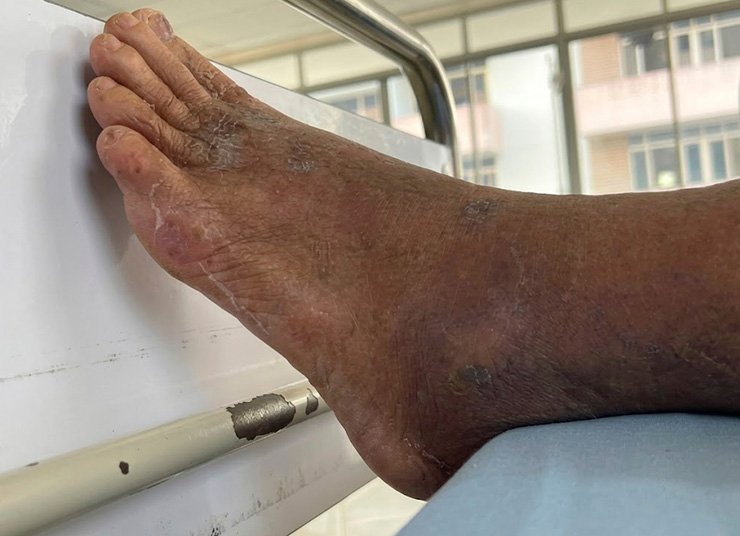
Early
intervention and proactive care prevent severe nerve damage and serious foot
ulcers.
When blood
glucose levels remain consistently elevated, they can cause quiet yet
substantial damage to the nervous system. This condition, known medically as
diabetic neuropathy, most commonly affects the lower extremities. Over time,
high sugar degrades the delicate nerve fibers in your feet, reducing your
ability to feel pain, temperature changes, or discomfort. Because sensation
becomes dulled, minor injuries like blisters, small cuts, or ingrown nails
often go completely unnoticed.
Left
unaddressed, these small wounds can rapidly turn into open sores or chronic
ulcers. Poor blood circulation, another common complication of diabetes,
further impairs recovery by restricting essential oxygen and nutrients required
for natural healing. Consequently, even a minor scrape can escalate into a
severe infection that threatens tissue health and, in extreme cases, may
require surgical amputation.
Taking early
action is the best defense against nerve damage. Inspecting your feet daily for
redness, swelling, or minor breaks in the skin allows you to catch problems
early. Maintain strict control over blood sugar levels through proper
nutrition, regular exercise, and prescribed medication. Always wear safe,
comfortable footwear and never walk barefoot. Consulting a doctor at the first
sign of persistent numbness, tingling, or pain ensures prompt care that
protects mobility.